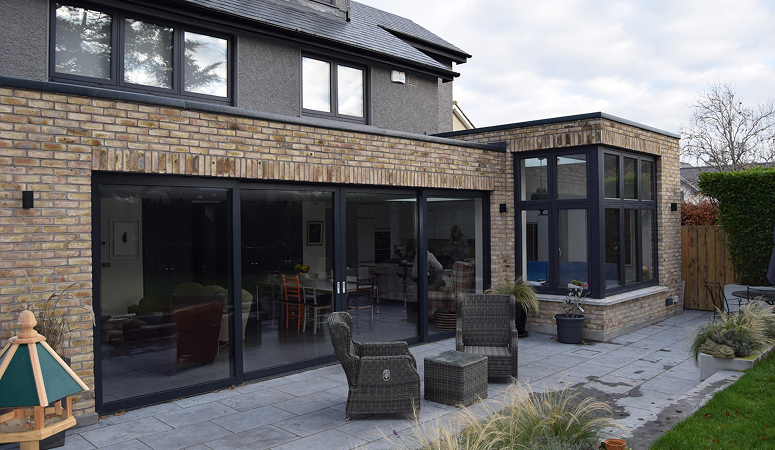
Irish residential architecture continues evolving toward solutions that balance aesthetic sophistication with practical performance. Among emerging window technologies, aluminium-clad timber systems have captured significant market attention, offering homeowners compelling advantages that address both current needs and future building standards.
Understanding why these hybrid systems have gained momentum reveals important insights for anyone planning property improvements or new construction projects across Ireland.
Decoding Hybrid Window Technology
These advanced systems unite two complementary materials through thoughtful engineering. Natural timber forms interior framing that creates warm, welcoming room environments while providing excellent insulation characteristics. Protective aluminium cladding surrounds exterior surfaces, shielding wood components from environmental exposure including moisture, temperature swings, and ultraviolet radiation.
This dual-layer approach captures each material’s optimal properties while mitigating traditional weaknesses. Homeowners gain timber’s authentic beauty without associated maintenance burdens, plus metal’s durability without industrial aesthetics.
Climate Adaptability for Irish Environmental Challenges
Ireland’s maritime weather patterns create demanding conditions for building materials. Persistent precipitation, elevated humidity levels, coastal salt exposure, and temperature fluctuations test conventional window systems. Traditional timber frames often deteriorate through moisture absorption, dimensional changes, and biological degradation.
Protective metal barriers prevent these common failure modes by creating weatherproof shields around vulnerable wood cores. Aluminium naturally resists corrosion regardless of exposure severity, maintains dimensional stability through seasonal cycles, eliminates moisture infiltration into timber components, and requires no protective coatings or treatments.
Coastal properties particularly benefit from corrosion resistance that extends service life dramatically compared to exposed wood or standard metal frames. Rain-prone regions gain similar advantages through comprehensive moisture protection.
Thermal Performance Meeting Rising Standards
Irish building regulations increasingly emphasize energy conservation as utility costs rise and environmental concerns grow. Modern window specifications must achieve demanding thermal targets that older systems cannot match.
Hybrid construction enables exceptional insulation through multiple integrated features. Wood’s cellular structure naturally resists heat transfer far more effectively than metal or plastic alternatives. Protective cladding maintains these benefits without compromising thermal boundaries. Advanced glazing packages incorporating multiple glass layers, low-conductivity gas fills, heat-reflective coatings, thermal barrier technology, and precision weather sealing create comprehensive insulation systems.
Properties achieving top efficiency ratings experience substantial reductions in heating expenses while maintaining comfortable interior temperatures throughout Ireland’s cool seasons. These performance improvements align with emerging sustainability standards and future regulatory requirements.
Contemporary Architectural Aesthetics
Design preferences throughout Irish residential construction have shifted markedly toward cleaner lines, expansive glazing, and minimalist detailing. Homeowners increasingly favor open floor plans that maximize natural illumination and create seamless indoor-outdoor connections.
Aluminium-clad systems excel in these applications through slim profile capabilities that maximize glass areas, sharp architectural lines that enhance modern facades, extensive color selections including popular dark finishes, and customizable exterior-interior color combinations.
Current trends favor bold exterior colors like graphite, charcoal, or black powder-coated finishes. Metal cladding accepts virtually any RAL specification, enabling precise matching to architectural visions. This flexibility helps properties achieve distinctive appearances that stand out in contemporary neighborhoods.
Natural Material Warmth for Interior Spaces
Despite enthusiasm for modern exteriors, many homeowners retain strong preferences for natural materials in living spaces. Wood creates psychological warmth and tactile appeal that synthetic alternatives cannot replicate authentically.
Interior timber framing delivers distinctive benefits including inviting visual character, compatibility with diverse decorating approaches, customization through staining or painting, acoustic absorption properties, and premium aesthetic quality.
Species selections ranging from economical pine to prestigious oak or walnut accommodate varying budget levels and design preferences. This interior authenticity distinguishes hybrid systems from full-metal or plastic options while maintaining modern performance standards.
Maintenance Reduction Through Protective Engineering
Traditional timber windows demand regular exterior care including painting, sealing, and inspection cycles to prevent deterioration in Irish weather conditions. These ongoing obligations create substantial lifetime costs in labor and materials.
Aluminium cladding fundamentally eliminates exterior maintenance requirements through inherent material properties. Protected systems require no painting or refinishing, avoid warping or dimensional changes, resist biological degradation, maintain color stability indefinitely, and eliminate weather-related inspection needs.
Homeowners gain beautiful, high-performance windows without recurring maintenance obligations that consume time and money over decades. This convenience factor strongly appeals to busy households and property owners seeking simplified upkeep.
Extended Service Life and Economic Value
Dual-material construction creates exceptionally durable products that outlast single-material alternatives significantly. Properly installed systems routinely provide four to six decades of reliable service, far exceeding typical window replacement cycles.
Longevity advantages include superior weather resistance compared to exposed materials, structural integrity from metal reinforcement, biological protection for organic components, advanced glazing durability, and comprehensive system warranties.
While initial investment exceeds basic options, lifetime economic analysis reveals compelling value through eliminated maintenance costs, sustained energy savings, deferred replacement expenses, and consistent performance quality. Financially sophisticated homeowners recognize superior returns despite higher entry pricing.
Acoustic Comfort in Developing Areas
Urban intensification and transportation expansion have increased ambient noise levels affecting residential properties. Traffic corridors, commercial districts, educational facilities, and dense developments create sound intrusion concerns.
Hybrid construction provides effective acoustic barriers through dense timber cores that absorb vibrations, sealed multi-layer glazing assemblies, compression weather sealing, and rigid frame construction. Properties in higher-noise environments experience dramatic improvements in interior tranquility.
Triple glazing specifications further enhance sound control, creating peaceful living spaces despite external activity levels. This acoustic performance increasingly influences purchasing decisions as development density rises.
Environmental Responsibility and Sustainability
Irish building policy increasingly emphasizes environmental stewardship and carbon reduction. Window selection decisions impact both operational efficiency and embodied environmental costs.
Aluminium-clad systems align with sustainability goals through renewable timber sourcing from managed forests, complete metal recyclability at end-of-life, extended service life reducing replacement frequency, superior thermal performance cutting operational emissions, and compliance with green building standards.
Environmentally conscious homeowners appreciate these attributes alongside practical performance benefits. As regulations evolve toward stricter environmental requirements, specifying sustainable building products positions properties advantageously.
Making Strategic Investment Decisions
Evaluating window options requires comprehensive analysis beyond simple price comparisons. Consider total ownership costs including maintenance savings, energy reductions, and replacement deferral. Assess warranty coverage, manufacturer reputation, and service support availability.
Properties pursuing premium finishes, minimal maintenance obligations, optimal efficiency, extended durability, or environmental responsibility find hybrid systems particularly well-aligned. Both renovation and new construction projects benefit from the comprehensive advantages offered.
Professional Specification and Installation
Achieving rated performance demands expert installation meeting precise standards. Experienced contractors ensure proper weatherproofing, thermal continuity, structural integration, hardware adjustment, and warranty compliance.
Custom manufacturing enables exact sizing for existing openings or new construction specifications. Color selection, hardware options, glazing packages, and finish details accommodate individual requirements. Established manufacturers provide technical support ensuring appropriate specifications for Irish conditions.
Conclusion: Strategic Window Investment for Modern Irish Homes
Aluminium-clad timber technology represents significant advancement in residential window systems. By uniting natural material aesthetics with protective engineering, these products deliver comprehensive solutions addressing current needs and anticipating future requirements.
Homeowners gain authentic interior beauty, contemporary exterior styling, superior energy performance, weather-resistant durability, acoustic comfort, minimal maintenance, and extended value retention. Whether upgrading existing properties or constructing new residences, these attributes provide compelling benefits.
Strategic window investment affects daily comfort and long-term property value for decades. Hybrid systems offer proven performance specifically engineered for Irish climate challenges while meeting demanding aesthetic and technical expectations that define modern residential design.