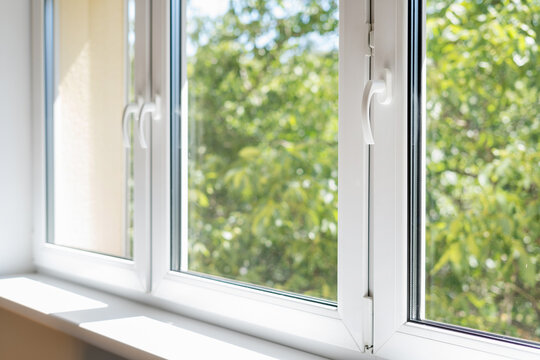
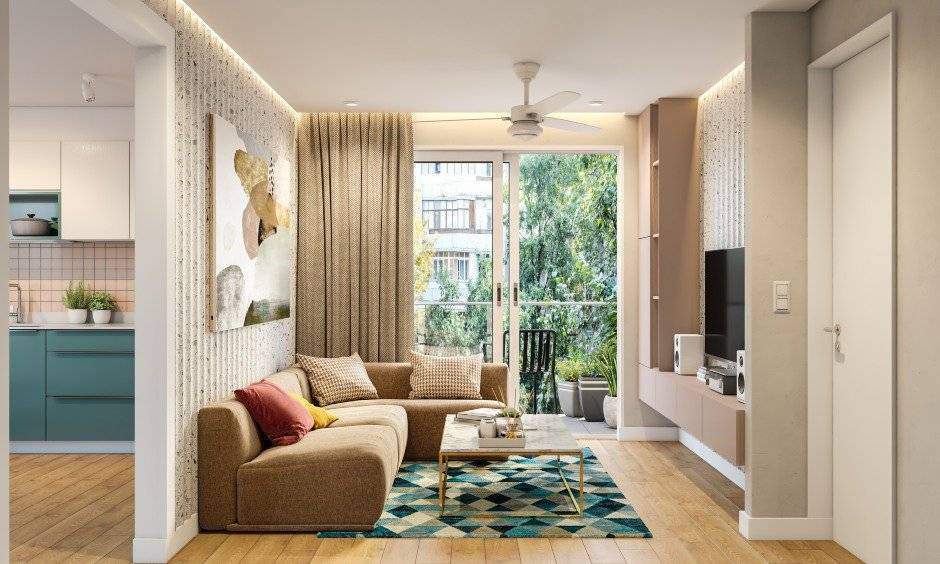
Property improvements involving window and door replacement represent significant investments affecting multiple aspects of home performance and value. These architectural elements influence thermal efficiency, visual appeal, protection levels, acoustic comfort, and maintenance obligations for decades following installation.
Irish homeowners face unique considerations when specifying glazing and entrance systems due to regional climate patterns, architectural traditions, and evolving building standards. This comprehensive resource addresses essential decision factors ensuring optimal product selection.
Architectural Compatibility: Matching Products to Property Character
Successful window and door selection begins with understanding your property’s architectural language. Ireland’s diverse housing stock spans historical cottages, Victorian terraces, mid-century builds, and contemporary constructions—each requiring thoughtful product specification.
Traditional Property Considerations
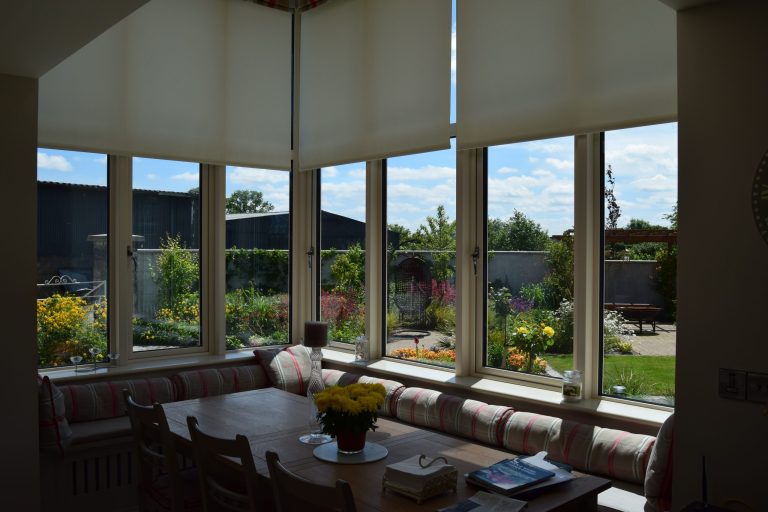
Heritage structures and period homes benefit from systems respecting historical design vocabularies. Flush sash configurations replicate traditional joinery aesthetics, divided light patterns honor original fenestration styles, timber-effect finishes maintain authentic character, and neutral color palettes preserve period integrity.
Modern performance technology integrates seamlessly with traditional styling, enabling heritage properties to achieve contemporary comfort standards without compromising architectural authenticity or conservation compliance.
Contemporary Design Applications
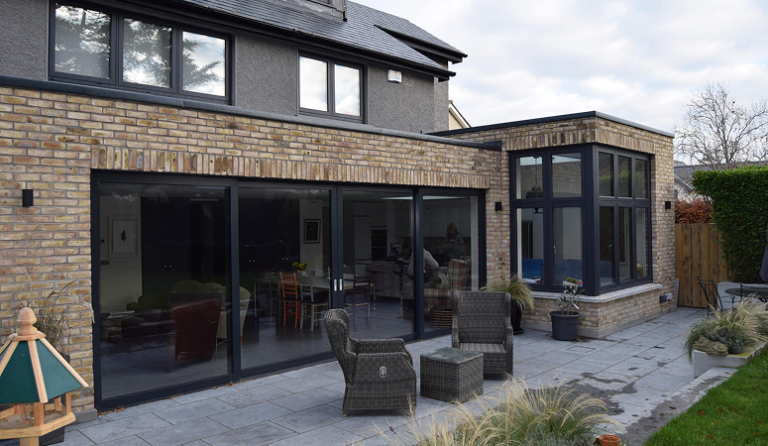
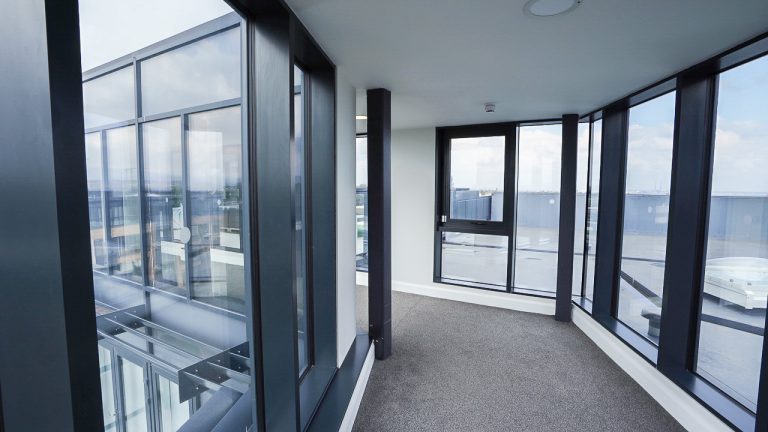
Modern architectural expressions demand different product characteristics. Slim aluminum profiles maximize glazing ratios, minimalist detailing emphasizes clean geometries, bold color specifications including graphite and charcoal create dramatic statements, and expansive glass areas flood interiors with natural light.
These design-forward applications require systems engineered specifically for large spans and contemporary aesthetic expectations while maintaining structural integrity and weather performance.
Aligning product selection with architectural character ensures visual harmony that enhances property appeal and supports market valuation.
Thermal Performance: Essential for Irish Climate Conditions
Ireland’s cool maritime weather creates substantial heating demands throughout extended seasons. Glazing and door systems directly impact household energy consumption through thermal transfer characteristics.
Performance Technologies
Modern systems incorporate multiple engineering solutions working synergistically. Top efficiency ratings require double or triple glazing assemblies, inert gas cavity fills reducing conductivity, low-emissivity coatings reflecting radiant heat, multi-chamber frame construction, thermal break integration in metal profiles, and comprehensive weather sealing preventing infiltration.
Properties achieving optimal ratings experience measurable reductions in heating expenses alongside improved interior comfort during Ireland’s challenging weather periods. These performance improvements align with evolving building regulations emphasizing energy conservation.
Long-Term Economic Benefits
Initial investment in high-performance systems generates returns through accumulated utility savings, reduced maintenance requirements, extended replacement cycles, and enhanced property valuations. Lifecycle cost analysis demonstrates compelling advantages despite premium entry pricing.
Environmentally conscious specifications also support sustainability objectives through reduced carbon emissions and lower fossil fuel consumption.
Material Selection: Balancing Performance and Aesthetics
Frame and door materials significantly influence both technical performance and visual characteristics. Understanding material properties enables informed specification decisions.
Natural Timber Systems
Wood frames provide authentic aesthetic warmth, excellent natural insulation properties, customization through staining or painting, and traditional craftsmanship appeal. These systems suit heritage properties and homeowners prioritizing natural materials.
Exterior exposure requires regular maintenance including protective treatments, periodic refinishing, and moisture management to prevent biological degradation in Irish conditions.
Engineered Aluminum Solutions
Metal systems deliver contemporary aesthetics, exceptional structural strength enabling large openings, minimal maintenance requirements, corrosion resistance in coastal environments, and extensive color specification options through powder coating.
Thermal break technology prevents cold transfer through conductive frames, enabling these systems to achieve demanding efficiency standards while maintaining slim profiles preferred in modern architecture.
Hybrid Composite Systems
Combining interior timber with exterior aluminum cladding creates premium solutions capturing each material’s advantages. Natural wood interiors provide warmth and insulation while protective metal exteriors eliminate maintenance obligations and resist weather damage.
These sophisticated systems appeal to quality-focused homeowners seeking optimal performance, authentic aesthetics, and simplified upkeep in demanding applications.
Material selection should reflect property style, performance priorities, maintenance preferences, and budget parameters to ensure long-term satisfaction.
Security Integration: Protecting Property and Occupants
Windows and doors represent vulnerable entry points demanding appropriate protective measures. Modern systems incorporate multiple security features as standard specifications rather than optional upgrades.
Protective Technologies
Contemporary products include multi-point locking engaging at several frame locations, toughened or laminated glass resisting impact forces, reinforced frame construction preventing forced entry, secure hardware preventing levering attacks, and tested cylinder locks meeting security standards.
Ground-level installations, patio access points, and primary entrances warrant particular security attention. Comprehensive protection provides peace of mind while potentially reducing insurance premiums through demonstrated risk mitigation.
Security specifications should balance protection requirements with operational convenience and aesthetic preferences.
Acoustic Control: Managing External Noise
Urban development patterns and transportation expansion have increased ambient noise affecting residential properties. Effective acoustic insulation significantly impacts living quality in affected locations.
Sound Reduction Strategies
Multiple glazing layers, sealed cavity construction, dense frame materials, compression weather sealing, and proper installation techniques all contribute to sound control. Properties near busy routes, commercial zones, or dense developments experience substantial improvements through acoustic-rated specifications.
Triple glazing provides maximum sound attenuation for severely noise-impacted locations. Timber and hybrid frames offer superior acoustic performance compared to hollow synthetic profiles.
Addressing noise concerns during specification prevents persistent quality-of-life issues affecting sleep quality, stress levels, and daily comfort.
Maintenance Planning: Realistic Upkeep Expectations
All building products require some maintenance, but different materials demand vastly different care levels. Understanding these obligations prevents future frustration.
Maintenance Requirements by Material
Traditional timber systems need annual inspection, periodic refinishing, moisture management, and hardware lubrication. Aluminum products require only cleaning and occasional hardware maintenance. Hybrid systems combine maintenance-free exteriors with minimal interior care.
Realistic assessment of available time and willingness to perform maintenance should influence material selection. Low-maintenance options suit busy households prioritizing convenience.
Proper care extends product lifespan and preserves aesthetic quality regardless of material choice.
Design Customization: Personalizing Your Installation
Contemporary manufacturing enables extensive customization accommodating individual preferences and specific property requirements.
Available Customization Options
Modern systems offer diverse color specifications including RAL standards, dual-tone interior-exterior combinations, various hardware finishes and styles, multiple opening configurations (casement, tilt-turn, sliding), decorative glazing patterns, and custom sizing for non-standard openings.
Door options span traditional hinged designs, elegant French configurations, space-saving sliding systems, expansive bi-fold arrangements, and secure entrance doors with sophisticated hardware.
Customization ensures installations perfectly match architectural visions while meeting functional requirements. Working with manufacturers offering bespoke capabilities prevents compromise between availability and preference.
Economic Analysis: Investment Versus Value Creation
Cost considerations extend beyond initial purchase pricing to encompass total ownership economics over expected service life.
Comprehensive Cost Factors
Complete financial analysis includes purchase and installation expenses, accumulated energy savings, maintenance cost differences, replacement timing and frequency, property value enhancement, and quality-of-life improvements.
Premium products typically deliver superior long-term value through extended durability, better performance, and lower operating costs. Value-conscious homeowners recognize that lowest initial price rarely represents optimal economic choice.
Budget constraints should be balanced against long-term financial implications and performance expectations.
Installation Quality: The Performance Multiplier
Even premium products underperform when installation fails to meet proper standards. Professional fitting determines whether products achieve rated performance specifications.
Critical Installation Factors
Proper installation requires accurate dimensional surveying, structural preparation, thermal continuity maintenance, weatherproofing integrity, operational adjustment, and final inspection. Experienced installers understand building science principles affecting long-term performance.
Substandard work creates air infiltration, water penetration, thermal bridging, operational issues, and premature failure. Comprehensive warranties protecting both product and installation provide homeowner confidence.
Selecting experienced, reputable contractors proves as important as choosing quality products for ensuring satisfactory results.
Making Strategic Selection Decisions
Evaluating window and door options demands comprehensive assessment addressing multiple factors simultaneously.
Consider architectural appropriateness, thermal performance requirements, material characteristics and maintenance, security needs and features, acoustic control priorities, customization possibilities, budget parameters and value, and installer expertise and reputation.
Properties pursuing optimal comfort, minimal maintenance, contemporary aesthetics, or maximum efficiency find high-performance specifications particularly beneficial. Both renovation and new construction projects gain from thoughtful product selection.
Conclusion: Strategic Investment in Home Infrastructure
Windows and doors represent critical building components affecting daily comfort, operating costs, security, and property value for decades following installation. Thoughtful specification decisions create lasting benefits through improved living quality and economic returns.
Irish climate conditions make performance specifications particularly valuable given extended heating seasons, moisture challenges, and variable weather patterns. Properties achieving optimal ratings experience measurable comfort improvements alongside reduced operating expenses.
These architectural elements merit careful consideration and professional specification to maximize lifetime value and satisfaction. Strategic homeowners recognize quality installations as essential infrastructure investments rather than discretionary expenses.
Prioritizing performance, aesthetics, and professional installation ensures decades of reliable service, comfortable living, and sustained property value enhancement.