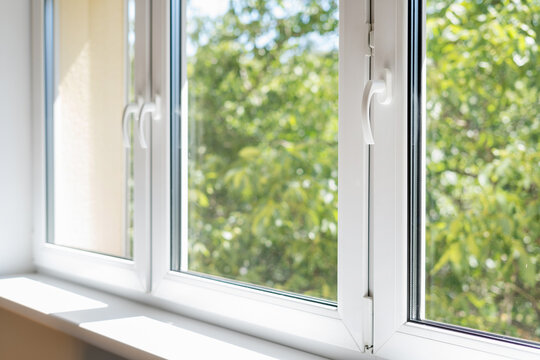
Rising utility expenses and environmental awareness have transformed how Irish homeowners approach property improvements. Window replacement decisions now prioritize thermal performance alongside aesthetics, as glazing systems directly impact household energy consumption, interior comfort levels, and long-term operating costs.
This comprehensive resource examines how modern window technology reduces energy waste while enhancing property value and living quality across Ireland’s unique climate conditions.
The Energy Crisis Facing Irish Households
Ireland’s cool maritime climate creates substantial heating demands throughout extended winter periods. Properties with outdated glazing lose significant thermal energy through inefficient frames and glass assemblies, sometimes representing nearly one-third of total heat waste.
This energy hemorrhage translates directly into inflated utility bills, uncomfortable interior temperatures, excessive moisture accumulation, increased carbon emissions, and unnecessary environmental impact. Modern glazing technology addresses these challenges through integrated engineering solutions.
Upgrading to high-performance systems delivers measurable improvements in thermal retention, reduced heating expenses, consistent comfort levels, moisture control, and environmental responsibility. Top-rated products meet rigorous performance standards ensuring optimal results.
Engineering Principles Behind Thermal Performance
Contemporary window systems employ multiple technologies working synergistically to minimize heat transfer and maximize interior comfort.
Advanced Frame Construction
Modern frames incorporate sophisticated designs that reduce thermal bridging. Synthetic profiles feature multiple internal cavities creating insulating air pockets. Timber frames provide natural cellular insulation properties. Metal systems integrate thermal barrier technology preventing cold transfer through conductive materials.
Multi-Layer Glazing Technology
Glass assemblies utilizing two or three panes separated by sealed cavities dramatically outperform single-layer alternatives. Cavity fills using inert gases like argon or krypton further reduce thermal conductivity compared to standard air gaps. These configurations create effective barriers against heat movement.
Low-Emissivity Coating Applications
Microscopically thin metallic coatings applied to glass surfaces reflect infrared radiation back toward heat sources while permitting visible light transmission. This technology can reduce thermal loss by substantial percentages compared to uncoated glass while maintaining natural illumination.
Thermal Spacer Systems
Advanced spacer materials separating glass layers at perimeter edges minimize cold bridging that creates condensation zones and thermal weak points. These components maintain insulating performance across the entire glass assembly.
Precision Weather Sealing
Comprehensive sealing systems using compression gaskets and multiple seal points prevent air infiltration that undermines thermal performance. Properly sealed units eliminate drafts while blocking moisture intrusion.
Comprehensive Benefits Beyond Energy Savings
High-performance glazing delivers advantages extending well beyond reduced utility bills.
Financial Returns
Effective thermal retention decreases heating system operation during cold periods and reduces cooling needs during warmer months. These operational savings accumulate substantially over product lifespans, providing measurable economic returns that offset initial investment premiums.
Enhanced Interior Comfort
Advanced insulation eliminates cold surface radiation and draft infiltration that create uncomfortable zones near windows. Properties maintain consistent temperatures throughout rooms regardless of external conditions, improving livability during Ireland’s challenging weather.
Moisture Management
Condensation occurs when humid interior air contacts cold surfaces below dew point temperatures. High-performance windows maintain warmer interior glass temperatures, substantially reducing condensation formation that contributes to mold growth and material degradation.
Acoustic Insulation
Multi-layer sealed assemblies provide effective sound barriers against external noise sources. Properties near transportation corridors, commercial districts, or dense developments gain significant acoustic improvements enhancing interior tranquility.
Property Valuation Impact
Energy-efficient features increasingly influence buyer decisions and property valuations. Modern glazing systems enhance marketability while contributing to higher resale values through demonstrated operating cost reductions and contemporary aesthetics.
Material Selection for Optimal Performance
Frame materials significantly influence both thermal characteristics and long-term durability.
Synthetic Polymer Systems
Multi-chambered profiles manufactured from uPVC provide excellent insulation through cellular construction that traps air within frame cavities. These systems require minimal maintenance, accommodate diverse color specifications, offer cost-effective performance, and deliver extended service life.
Metal Frame Solutions
Aluminum profiles provide structural strength enabling slim designs that maximize glazing areas. Thermal break technology prevents cold transfer through metal components. These systems suit contemporary architecture, resist environmental degradation, and maintain dimensional stability.
Hybrid Construction Approaches
Combining interior timber with exterior metal cladding creates premium systems offering natural insulation properties, weather-resistant protection, authentic aesthetic character, and minimal exterior maintenance. These solutions suit high-end applications demanding both performance and appearance quality.
Heritage-Compatible Options
Traditional styling accommodates period properties requiring authentic appearances. Modern glazing technology integrates with classic frame designs, enabling heritage homes to achieve contemporary performance standards while maintaining architectural character and compliance with conservation requirements.
Installation Quality Determines Real-World Performance
Even premium products underperform when installation fails to meet exacting standards. Improper fitting creates multiple failure modes including air infiltration, water penetration, thermal bridging, moisture accumulation, and premature system failure.
Professional installation ensures accurate dimensional surveying, proper weatherproofing techniques, thermal continuity maintenance, structural integration, and warranty compliance. Experienced contractors understand building science principles and local climate challenges affecting long-term performance.
Comprehensive guarantees protect homeowner investments while demonstrating installer confidence in workmanship quality.
Environmental Stewardship Through Efficiency
Residential energy consumption contributes substantially to national carbon emissions. Window performance directly affects household environmental footprints through heating and cooling energy demands.
Efficiency improvements deliver environmental benefits including reduced fossil fuel consumption, lower greenhouse gas emissions, decreased grid demand, support for climate objectives, and demonstration of environmental responsibility.
Additional sustainability factors include extended product lifespans reducing replacement frequency, renewable timber sourcing from managed forests, complete metal recyclability, and alignment with green building standards.
Environmentally conscious homeowners appreciate these attributes alongside practical performance advantages.
Economic Analysis: Investment Versus Returns
High-performance windows typically command premium pricing compared to basic alternatives. Comprehensive financial analysis must consider total ownership costs across expected service life rather than initial purchase price alone.
Lifecycle cost factors include accumulated energy savings, eliminated or reduced maintenance expenses, deferred replacement timing, improved property valuation, and enhanced living quality. Properties achieving optimal efficiency ratings experience substantial operating cost reductions over decades of service.
Value-focused homeowners recognize superior long-term returns despite higher entry costs. Financial analysis demonstrates compelling advantages when evaluating complete ownership economics.
Contemporary Design Integration
Modern architectural preferences emphasize clean lines, abundant natural light, and seamless interior-exterior connections. High-performance glazing technology enables these design objectives without compromising thermal efficiency.
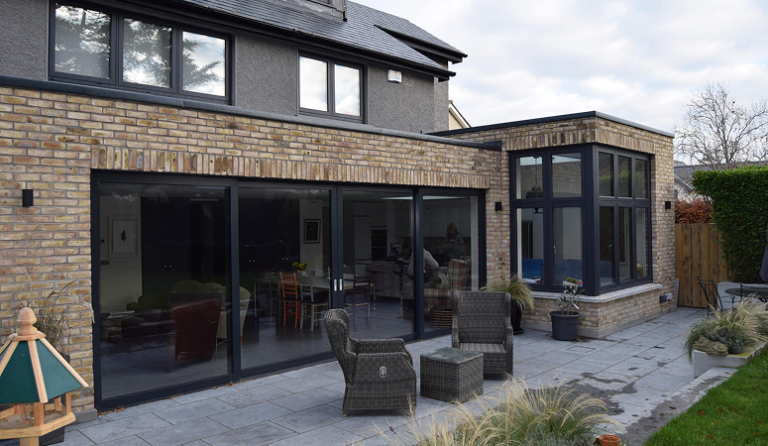
Design capabilities include slim profiles maximizing glass area, floor-to-ceiling configurations, expansive openings using sliding or folding systems, customizable color specifications, and dual-tone interior-exterior finishes.
Property owners no longer face compromises between aesthetic preferences and technical performance. Contemporary systems deliver both simultaneously.
Specification Considerations for Irish Conditions
Ireland’s maritime climate creates specific performance requirements including moisture resistance, wind load capacity, thermal efficiency for extended heating seasons, acoustic control for developed areas, and durability against persistent precipitation.
Selecting appropriate specifications requires understanding local exposure conditions, property architectural style, household comfort priorities, budget parameters, and long-term ownership plans.
Established manufacturers provide technical guidance ensuring suitable product selection for specific applications and regional conditions.
Making Informed Purchase Decisions
Evaluating window options demands comprehensive assessment beyond simple price comparisons. Consider manufacturer reputation and experience, verified performance ratings and certifications, warranty coverage terms, installation quality guarantees, and customer service support availability.
Properties pursuing optimal efficiency, minimal maintenance, contemporary aesthetics, or environmental responsibility find high-performance systems particularly well-suited. Both renovation and new construction projects benefit from advanced glazing technology.
Conclusion: Strategic Investment in Home Performance
Energy-efficient window technology represents proven solutions addressing multiple homeowner concerns simultaneously. Thermal performance improvements reduce operating costs while enhancing comfort, controlling moisture, reducing noise, and supporting environmental objectives.
Irish climate conditions make efficiency specifications particularly valuable given extended heating seasons and challenging weather patterns. Properties achieving top performance ratings experience measurable quality-of-life improvements alongside economic returns.
Window replacement affects daily living comfort and long-term property economics for decades. Prioritizing efficiency delivers comprehensive benefits that justify premium investment through sustained value creation and enhanced livability.
Strategic homeowners recognize high-performance glazing as essential building components worthy of careful specification and professional installation to maximize lifetime returns.